A Riyadh villa privacy plan should separate guest, family and service movement before facade or finishes are approved
A Riyadh homeowner reviewing a villa plan may see the real conflict before marble, lighting or facade decisions: the majlis door faces the family stair, while groceries and catering use the same lobby. For home design in Saudi Arabia, the first approval decision is whether guests, family members and service staff can move through separate, controlled loops.
Saudi villa privacy is a planning issue, not a decorative preference. A UCL doctoral thesis examined how planning regulations affected house form and privacy in Saudi Arabian low-density villas, surveying residents in seven suburbs across three Saudi cities, including Riyadh. Good early home planning decisions test privacy on the plan before elevations or finishes are approved.
What are the three circulation loops in a Saudi villa layout?
A Saudi villa layout should be read as three loops. The guest loop connects the majlis, formal entry, guest washroom and formal dining. The family loop connects the daily entrance, family lounge, bedrooms, stair, lift and private garden. The service loop connects the kitchen, dirty kitchen, pantry, laundry, staff room, storage, refuse route and delivery access.
- Guest loop risk: visitors cross the family lounge or see the stair landing.
- Family loop risk: household members pass the majlis lobby to reach the stair, lift or garage.
- Service loop risk: staff, groceries or catering move through reception rooms.
Which entrances should a Riyadh villa owner ask the architect to label?
A Riyadh villa owner should ask the architect to label the main family entrance, majlis entrance, service entrance, driver or staff access and garage connection. If one door serves two functions, the plan should prove that sightlines, waiting areas and door swings do not expose the family zone.
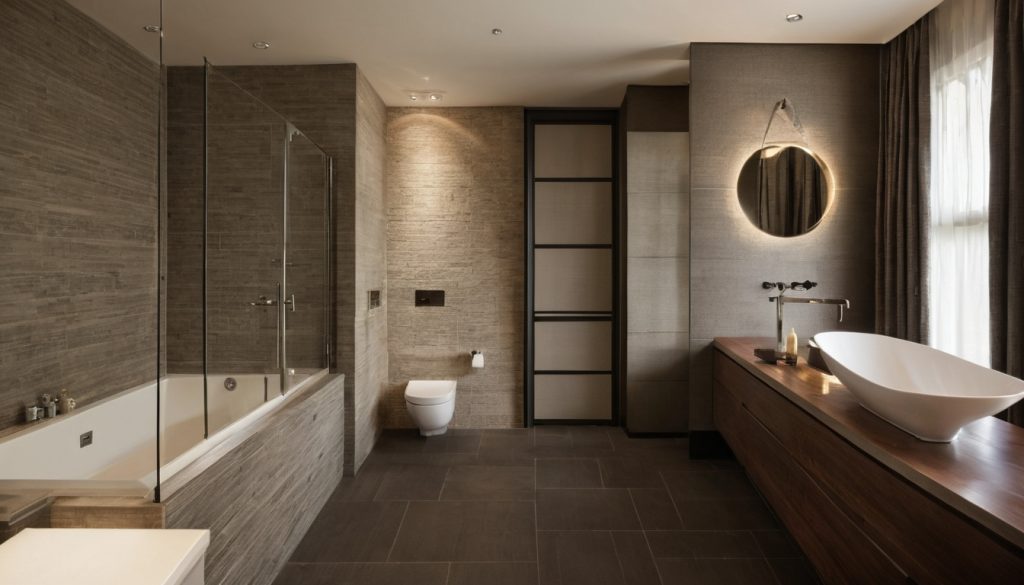
A Riyadh villa privacy plan should separate guest, family and service movement before facade or finishes are approved shown as an editorial reference for proportion and finish coordination.
The majlis should have controlled access without becoming the main route through the family home
In Saudi villa design, the majlis works best when guests can arrive, be received, use a washroom and reach dining without crossing everyday family living. This matters in Riyadh villas where formal hospitality is frequent and the household wants privacy for women, children and upstairs bedrooms.
Where should the majlis entrance sit in a Riyadh villa plan?
The safest majlis entrance usually sits close to the street frontage, guest parking or a side boundary path, so visitors do not pass the garage, family garden or stair hall. Common arrangements include a direct street-side majlis door, a controlled formal lobby or a side courtyard entrance.
How should majlis, dining and guest washrooms connect without exposing the family zone?
The majlis, guest washroom and guest dining should form a compact reception cluster. A practical benchmark is a small majlis of about 20 to 35 square metres, a larger formal majlis of about 35 to 60 square metres, a guest washroom reached from a short screened passage, and dining placed beside the majlis or across a controlled lobby.
The first sightline after the majlis door opens is critical. Guests should see a lobby wall, artwork, screen or formal corridor, not the family lounge, kitchen work area or staircase. A study of traditional dwellings in Riyadh Al-Khabra in Qassim province used space syntax and justified plan graph methods to analyze how domestic spaces connect.
What makes a majlis route feel private rather than improvised?
A private majlis route feels intentional when lighting, door swing, acoustics and finishes support the guest path. Doors should not swing into tight circulation, guest corridors often feel comfortable at about 1.2 to 1.5 metres wide, and the washroom door should not face the main seating wall.
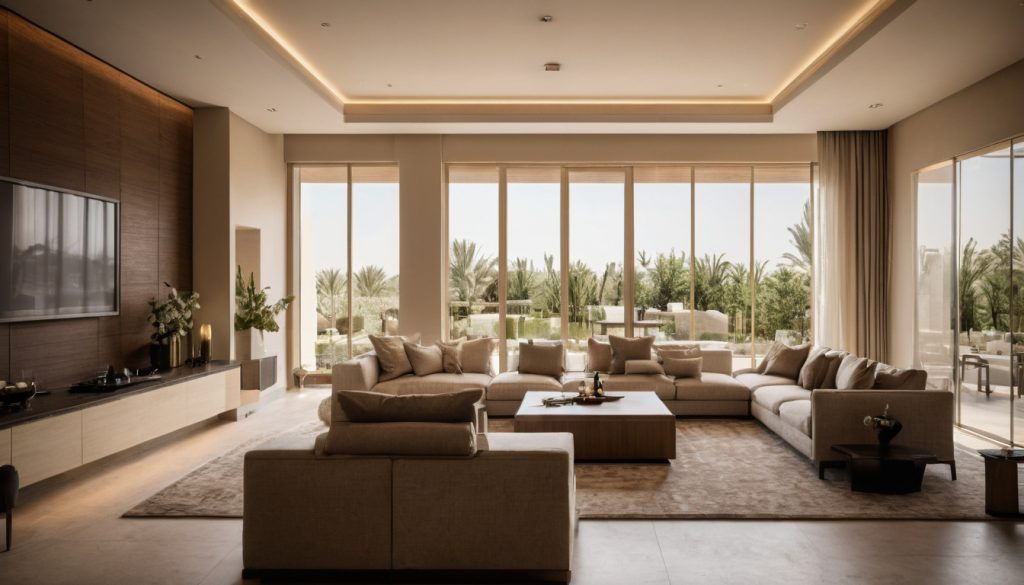
The majlis should have controlled access without becoming the main route through the family home shown with finish, fixture, and clearance relationships visible.
Where qualified LED products are specified, ENERGY STAR states that they use at least 75 percent less energy and last up to 25 times longer than incandescent lighting. During fit-out, the U.S. Environmental Protection Agency recommends increasing ventilation when products that emit volatile organic compounds are used indoors.
The family zone should protect bedrooms, lounges and stairs from direct guest sightlines
Modern Saudi house design can feel open while still protecting family privacy. In a Riyadh villa, the family lounge, bedroom stair, lift lobby and children’s areas should not be visible from the majlis entrance, guest dining route or service corridor unless the owner knowingly accepts that exposure.
Where should the family stair and lift be placed in a private Saudi villa plan?
The family stair and lift should sit inside the family circulation loop, not as a display feature on the guest axis. A common mistake is placing the stair directly opposite the formal entry, so every guest arrival sees movement between bedrooms, family lounge and upper floor.
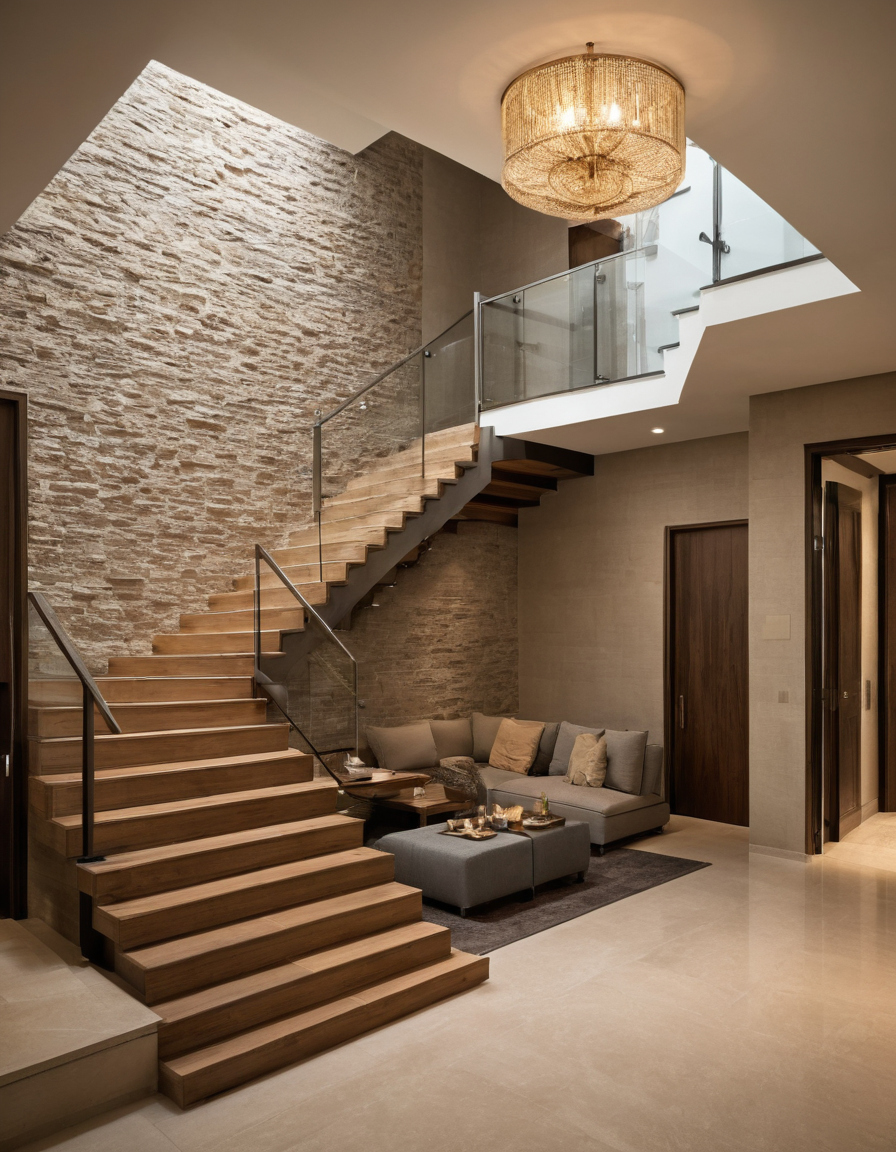
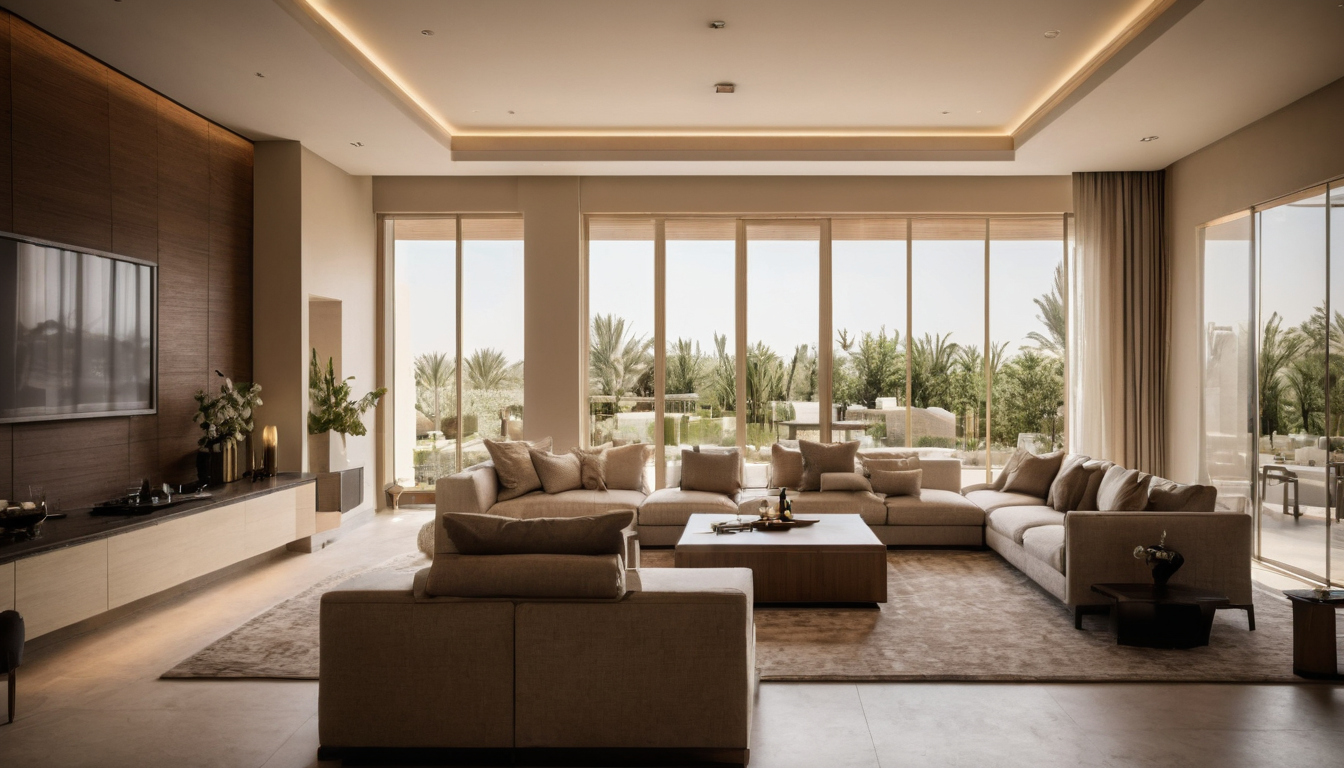
The family zone should protect bedrooms, lounges and stairs from direct guest sightlines shown as a planning reference for layout, scale, and material decisions.
- Reject a stair or lift lobby visible from the majlis door, guest washroom queue or formal dining route.
- Check stair width, guards, landings, doors and escape routes against applicable Saudi Building Code and authority requirements.
- Coordinate finishes, lighting and stair safety and placement before marble or joinery packages are approved.
How can an open family lounge remain private in a modern Saudi house design?
An open family lounge remains private when openness is internal, not exposed to guest circulation. The lounge can connect generously to family dining, pantry, courtyard or pool view, while a turn in the corridor, timber screen, low wall, vestibule or sliding partition blocks direct views from the majlis side.
Multi-generation households and homes with live-in staff need sharper boundaries. The children’s TV wall, women’s sitting area, homework table and bedroom corridor should not sit on the same visual line as catering movement, guest dining access or the service stair.
Service circulation should connect kitchens, staff rooms, drivers and deliveries without cutting through reception rooms
In Riyadh villa planning, service circulation works when groceries, catering, cleaning, laundry, drivers and staff can function without using the majlis or family lounge as a shortcut. This matters most in larger projects with back kitchens, external kitchens, live-in staff or frequent hosted meals.
Which rooms belong in the service zone of a Riyadh villa?
The service zone usually includes the main kitchen, dirty kitchen, pantry, laundry, maid room, driver room, storage, mechanical access and a waste route to an exterior collection point. The main kitchen should connect to family dining, while the dirty kitchen and pantry sit closer to the service entrance and formal dining support.
Service corridors should feel usable at about 1.1 to 1.2 metres clear, wider where trolleys or two people may pass. Kitchen working aisles often need about 1.1 to 1.3 metres between counters, islands and appliances. Review kitchen planning for Saudi villa service routes before fixing joinery and MEP points.
How should catering and grocery deliveries move during a large majlis event?
A large majlis event exposes weak service planning. Catering should move from a side gate or service door to the dirty kitchen, pantry, staging counter and guest dining without crossing the majlis seating line. Grocery deliveries should reach cold storage and dry storage without passing guest washrooms, formal lobby seating or the family stair.
What safety rules affect service doors, kitchens and secondary exits?
Service doors, kitchen exits, stairs and secondary escape routes must be checked by the architect and MEP consultant against the current Saudi Building Code, permit drawings and Civil Defense requirements where applicable. Kitchen ventilation, gas or electrical isolation, door clearances, smoke separation and safe exterior access should be coordinated before ceilings, ducts and cabinetry are approved.
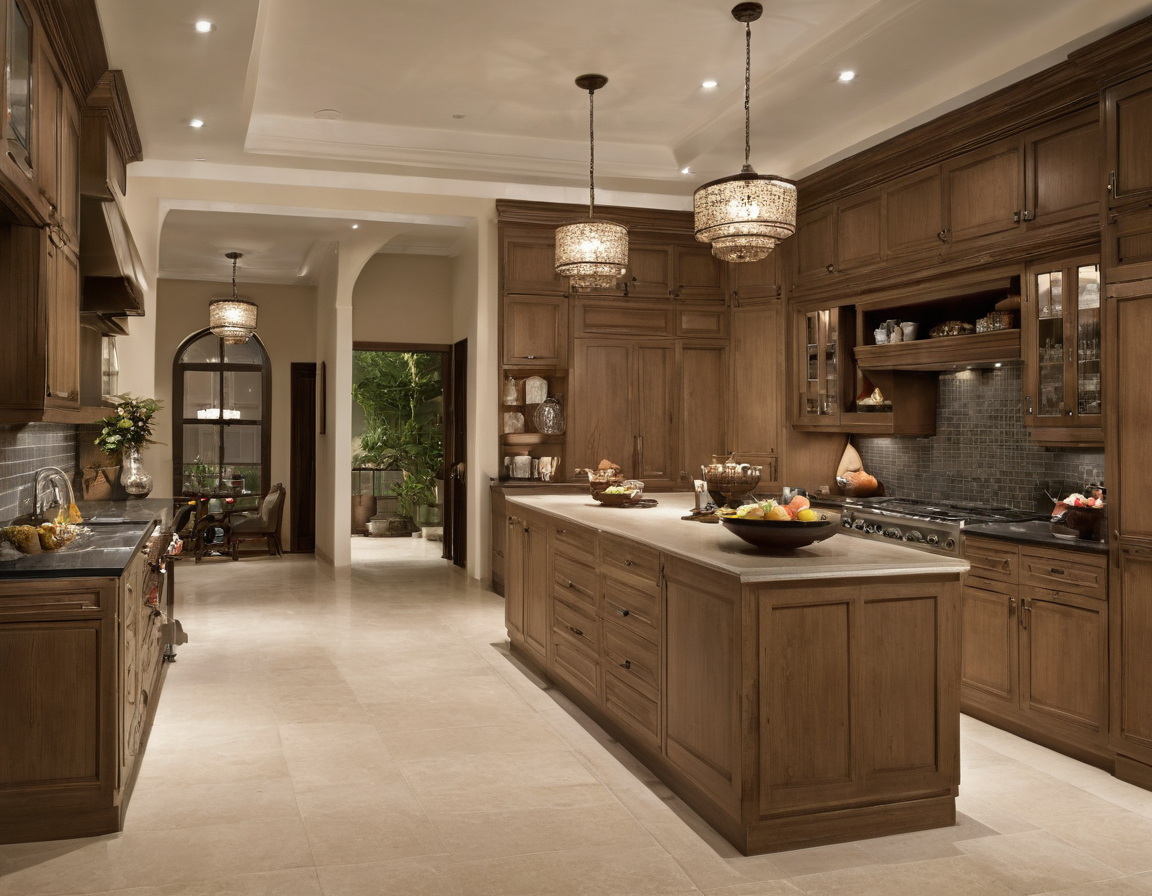
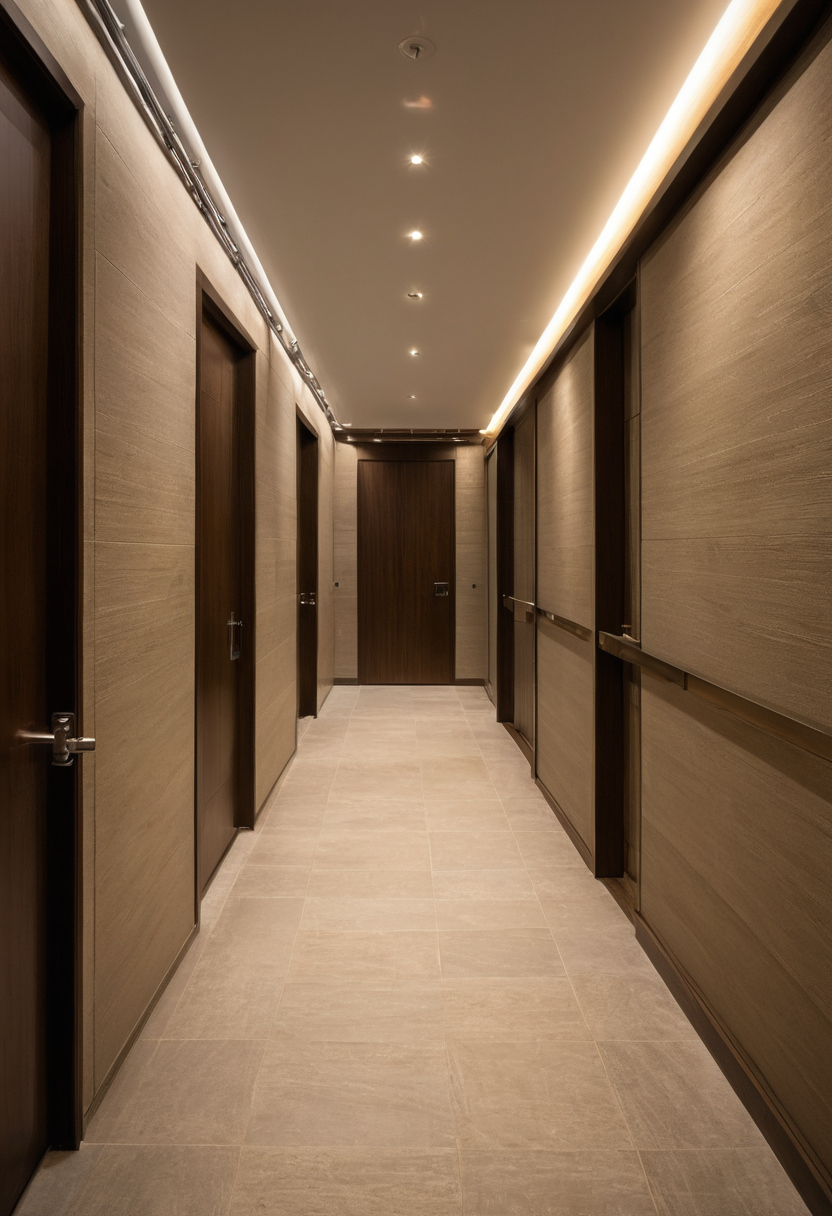
Service circulation should connect kitchens, staff rooms, drivers and deliveries without cutting through reception rooms shown with floor, wall, and fixture relationships visible.
Riyadh climate makes shaded thresholds, vestibules and door placement part of privacy planning
Privacy zoning in Riyadh is also a climate decision because heat, dust and strong sunlight affect how comfortably exterior doors can stay open. Shaded entrances, vestibules, recessed doors and screened courtyards help Saudi villas protect privacy while reducing glare, heat gain and direct views from the street.
Why should Riyadh villa entrances use transition spaces instead of opening directly into living rooms?
A Riyadh villa entrance should usually pause movement before the living room, majlis or family lounge. A vestibule, entry hall, recessed porch or screened foyer gives guests a place to wait, limits dust movement, and prevents a direct view from the gate into sofas, stairs or dining areas.
Which privacy screens work for Riyadh villas without blocking useful daylight?
Effective screens filter views instead of closing the villa. Patterned metal panels, timber-look composite slats, boundary wall returns, frosted glazing, angled windows and dense planting can shield entrances while still allowing daylight into halls and family corridors. Exterior screens in Riyadh should be easy to wash, heat-resistant and detailed so dust does not collect in inaccessible grooves.
A villa owner should approve privacy zoning only after checking routes, room sizes and risk points on the plan
Before approving home design in Saudi Arabia, a Riyadh villa owner should mark every guest, family and service route on the drawing and test daily use, Friday hosting, Ramadan gatherings, school mornings and staff work while walls, doors and MEP coordination can still change.
What privacy-zoning red flags should a Riyadh villa owner circle on the layout?
Privacy failures become expensive when structure, plumbing points and ceiling services are fixed. The UCL thesis reported that surveyed residents treated privacy as important, and that overlooking reduced use of affected yards and encouraged extra fences.
| Plan item to check | Acceptable condition | Red flag |
|---|---|---|
| Majlis and guest dining | Dining close by, washroom off a small lobby | Guest path crosses family lounge or sees the stair |
| Family lounge and bedrooms | Family lounge buffered by a turn, screen or private lobby | Bedroom corridor visible from entrance or majlis door |
| Service circulation | Service corridor linked to kitchen, laundry, staff room and garage | Groceries, staff or catering pass through formal dining |
| Entry and transition spaces | Entry hall with a sightline break before private rooms | Front door opens directly to living, stair or bedrooms |
Which dimensions and adjacencies should be confirmed before approving the plan?
The owner should confirm adjacency before decoration begins: majlis beside guest washroom and dining, family lounge beside private stair, kitchen beside service yard and dining support, staff room away from reception rooms, and garage linked to a controlled family entry. The Riyadh Al-Khabra study explains spatial arrangement as the grouping and separation of activities.
Which questions should the owner ask the architect, interior designer and MEP team together?
The owner should ask one coordinated question set before schematic approval moves forward: Which doors control guest access? Where do HVAC grilles, plumbing stacks and kitchen exhausts fall? Which lighting switches serve majlis arrivals? Where are CCTV, intercom and access-control points placed without exposing family movement?
- Trace the guest route from gate to majlis, washroom and dining.
- Trace the family route from garage or entry to lounge, stair and bedrooms.
- Trace the service route from delivery gate to kitchen, pantry, laundry, staff room and waste point.
- Circle every direct sightline from a public door to a private room.
- Approve the plan only after architecture, interiors and MEP drawings agree.
FAQ
How many entrances should a Riyadh villa have for privacy?
Most Riyadh villas need at least a family entrance, majlis entrance and service entrance. Larger homes may also need separate driver, staff or garage access.
Should the majlis be separated from the family living room in a Saudi villa?
Yes, the majlis should usually be separated by a lobby, screen, door sequence or side entrance so guests do not see the family lounge, stair or bedroom corridor.
Where should staff and delivery circulation be placed in a Riyadh villa plan?
Staff and delivery movement should sit along the service side of the villa, linking the service gate, kitchen, pantry, laundry, staff room, garage and waste route without crossing reception rooms.
Can a modern Saudi house design be open-plan and still private?
Yes. Open planning works best inside the family zone, while guest and service routes remain screened by turns, vestibules, partitions and controlled doors.
What should a villa owner check before approving the privacy zoning layout?
The owner should check entrances, sightlines, stair visibility, majlis access, kitchen delivery routes, service widths, shaded thresholds and MEP conflicts before schematic approval.